



 Newsletter
 Search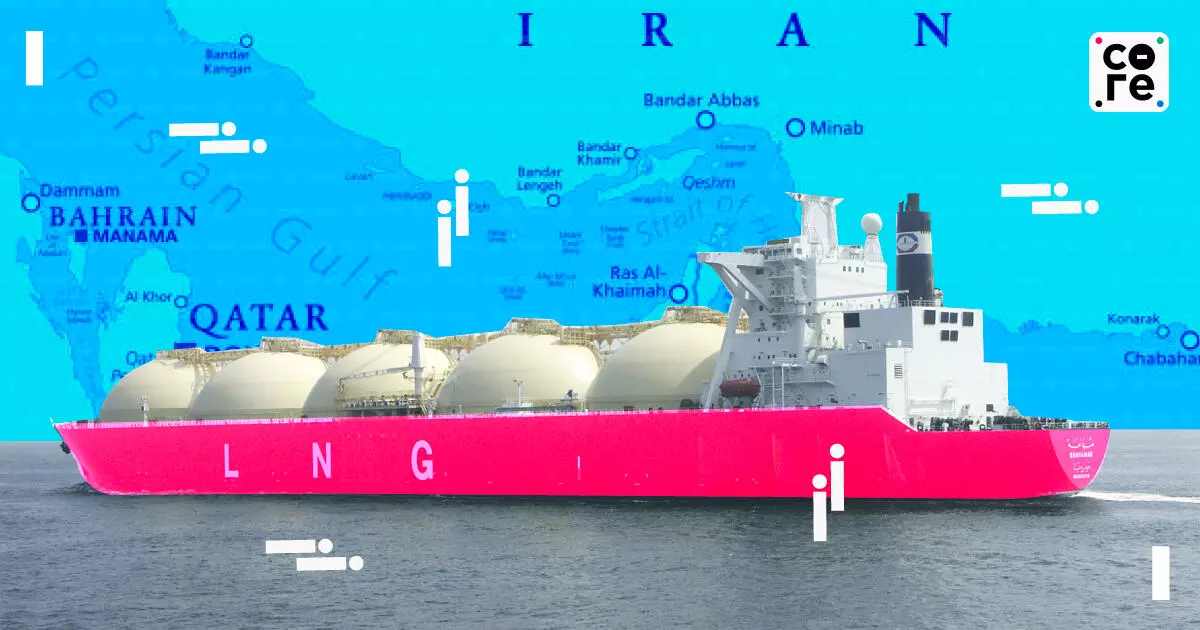
West Asia Crisis: Why India Must Stop Exports Of Petrol And Diesel

In this uncertain environment, India's energy security cannot depend on short-term market purchases or temporary policy permissions issued by Washington
India's energy security is entering a fragile phase as geopolitical tensions spread across West Asia. More than 80% of India's crude oil imports come from just two suppliers, West Asia and Russia, both currently facing geopolitical pressure. Supplies from both are under strain.
In this uncertain environment, India's energy security cannot depend on short-term market purchases or temporary policy permissions issued by Washington. The government must take three immediate policy measures to minimise the pain from the West Asia crisis.
First, India should temporarily stop exports of petrol and diesel until the crisis stabilises.
West Asia remains a critical supplier for India's energy needs. In 2025, about 48.7% of India's crude oil imports, 68.4% of its LNG imports and more than 91% of its LPG imports came from the region. This high concentration exposes the Indian economy to sudden supply shocks.
India's buffer against such disruptions is limited. Household LPG prices were raised by ₹60 per 14.2-kg cylinder and commercial LPG cylinders by about ₹115, pushing the Delhi household price to around ₹913 per cylinder. Shortages of commercial LPG have already been reported in cities such as Mumbai and Bengaluru, forcing restaurants and hotels to warn of potential shutdowns.
Global crude oil prices have become highly volatile—rising from about $71 per barrel just before the Iran conflict began on February 27 to a peak of about $117 on March 9 and later stabilising near $90, raising India's import bill and putting pressure on the rupee and domestic inflation.
In this uncertain environment, India's energy security cannot depend on short-term market purchases or temporary policy permissions issued by Washington.
Stop Exports of Petrol and Diesel
India should temporarily stop exports of petrol and diesel until the crisis stabilises. The government can invoke national energy security provisions to prioritise domestic fuel availability. Re-directing refinery output toward domestic markets would help build fuel reserves, cushion inflation and ensure uninterrupted supply for transport, agriculture and industry if disruptions in Gulf oil flows intensify.
Several Asian economies have already taken similar precautionary steps. China ordered its state refiners to suspend new export contracts for diesel and gasoline and cancel existing shipments to protect domestic inventories. Thailand also suspended petroleum exports and prioritised domestic supply. In Singapore, disruptions in feedstock supplies forced the Petrochemical Corporation of Singapore to declare force majeure and cut production and shipments. Across Asia, refiners have curtailed exports to conserve fuel supplies until shipping through Hormuz stabilizes.
Long-Term Crude Oil Supply Contracts with Russia
Second, India should enter into long-term crude oil supply contracts with Russia. Since the Ukraine conflict began, Russia has emerged as India's largest crude oil supplier, providing about 35% of India's crude imports in fiscal 2025, worth nearly $50 billion. Discounted Russian crude has helped Indian refiners reduce the impact of global price spikes and lower the country's import bill.
India's alternative supply options remain limited. Although imports from the United States rose 82% to $9.8 billion in 2025, the U.S. itself runs a net crude deficit and has limited spare export capacity. West African and Latin American crude supplies involve higher freight costs and longer shipping times. Long-term contracts with Russia would provide India with stable volumes, predictable pricing and a stronger buffer against global market volatility.
Ignore Washington's Instructions
Third, India should ignore and oppose Washington's instructions regarding purchases of Russian oil. India's energy security cannot depend on permissions issued by America. On March 5, the U.S. Treasury issued a one-month waiver allowing India to buy Russian oil cargoes already stranded at sea, but the volumes involved are small and offer little real relief to Indian refiners.
India and Russia are sovereign states, and their bilateral energy trade does not fall under U.S. jurisdiction. Attempts by Washington to authorise or restrict such trade raise serious questions about extra-territorial control over commerce between sovereign nations.
Strategic Energy Planning
For a large and fast-growing economy like India that imports nearly 90% of its crude oil needs, ensuring stable and long-term access to energy supplies is not just an energy policy issue but a critical pillar of social and economic stability.
Had India continued importing Russian oil at earlier levels, when it made up 35% of our crude imports, today's energy concerns would likely be far less severe.
Core.
Core.


