



 Newsletter
 Search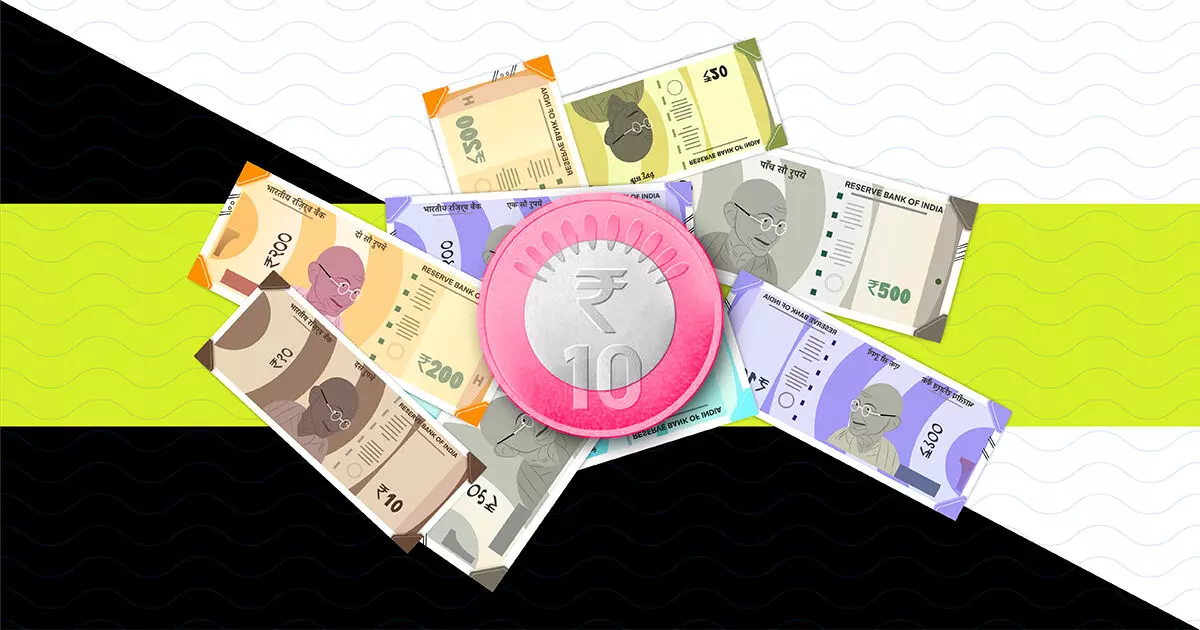
India’s Leadership Should Hit The Road, Now
- The Take
- Published on 18 May 2026 11:50 AM IST
The rupee's slide to 96 is not just a currency story, it is a confidence crisis. And India's response so far has been quiet.
At 96 to the US dollar, the Indian rupee is perilously close to the century mark.
New Delhi is suddenly in a state of panic — several months too late, perhaps, but the alarm is warranted. The question now is how policymakers will navigate the fallout.
Now consider a counterfactual: If the rupee were still trading at 84 to the dollar, where it stood just a year ago in May 2025 before its current slide, the political angst would be muted.
Despite a Middle East war, an energy shock, and heavy economic tolls, a stable currency would have absorbed the blow, at least relatively.
The reality is that the rupee’s decline exposes a deeper, structural weakness in the Indian economy.
Dollars Draining Out Fast
Five years ago, during the pandemic, the currency traded at 73. The slide to 96 has been steady, thanks also to a lengthy phase of over-management by the Reserve Bank of India.
Despite official defenses, the currency has been battered by relentless capital flight. Foreign portfolio investors (FPIs) have yanked roughly $50 billion from Indian equities over the past 18 months.
Foreign direct investment is increasingly being repatriated as venture capital and private equity firms find exits. Domestic companies are deploying capital abroad, while Indian consumers are burning through foreign exchange on gold, offshore education, international travel and of course big ticket offshore investments.
What explains this massive FPI withdrawal?
Initially, markets blamed India’s lack of a compelling artificial intelligence play, the prevailing obsession from Wall Street to Seoul.
But a bleaker consensus has emerged: structural doubts about Indian corporate growth prospects and stretched equity valuations.
Add to this factors like capital gains taxes on foreign investors and a perennial lack of regulatory predictability, and the case for Indian equities weakens.
To the government’s credit, the pace of reform accelerated after the US launched a tariff war last May, around when the rupee’s latest slide began.
Remember, while Washington slapped tariffs globally, India received punitive treatment for its continued purchase of Russian crude in the form of additional tariffs.
A year of inward-looking policy followed including a much welcomed lowering of goods and service tax (GST) in September last year.
But long-term structural adjustments also require short-term breathing room.
Returning the rupee to the 84 level or thereabouts requires a concerted effort to woo back portfolio capital.
The broader imperative is to court all investors, including domestic industry, which is currently hoarding cash for the same overlapping reasons foreign investors are fleeing.
There are bright spots at the sub-national level.
The Roadshow India Needs
Andhra Pradesh is making waves with near weekly announcements of fresh investments, from data centers to motorcycle plants, totaling tens of billions of dollars.
State officials, channeling Chief Minister N Chandrababu Naidu’s successful 2000s-era transformation of Hyderabad, are aggressively pitching to the capital.
Yet, outside of the annual January soiree in Davos, most other Indian state leaders remain conspicuously passive unless we have missed the reporting on them.
At the federal level, the Prime Minister has been visiting several countries in the last week for instance and signing long term economic and business deals but they are exactly that, long term.
The Finance Ministry, meanwhile, has been remarkably quiet.
Private meetings with visiting institutional investors are insufficient when global capital is shifting.
Contrast this, at least to some extent, with US President Donald Trump, who recently visited China flanked by top executives from Nvidia, Apple, and Tesla.
India’s finance minister and business and finance titans must embark on aggressive roadshows across major global financial capitals.
They need to pitch the India story, face tough questions, and, crucially, listen to what global capital requires to return.
A roadshow isn't just public relations; it is a market signal of intent.
There is of course much to be done on stepping up direct investments and improving business climate. And quite likely it will but none of these will produce overnight results.
Nor will the promises of more capital flow in future change much foreign investor mood today.
India possesses a resilient economy, but as the plunging rupee proves, it is far from invincible.
Core.
Core.


