



 Newsletter
 Search
Opinion: Why Dubai’s Real Estate Isn't Flinching
Beyond global TV panic, Dubai's cash-rich market isn't flinching. Here is why sophisticated Indian wealth treats this geopolitical stress test as proof of systemic neutrality.
The Gist
This weekend's geopolitical tensions didn't disrupt daily life in Dubai, as the city remained resilient amidst external crises.
- Despite airspace restrictions, real estate transactions continued without interruption.
- Historical patterns show that Dubai acts as a safe haven during regional conflicts.
- Current market stability is supported by a cash-rich economy, not reliant on debt.
If you were tracking the global news this weekend, you’d probably assume I was taking cover in a bunker. The reality? I spent my weekend doing what I always do: walking my poodle, Rufus. Our morning and evening rounds went on exactly as usual.
My phone, however, was a different story.
Friends, family, and anxious clients from India were calling in a panic as headlines about the Strait of Hormuz and intercepted missiles dominated the airwaves. From the outside, the optics looked terrifying. But there is a massive gap between the geopolitical noise on television and the actual, pragmatic reality on the ground in Dubai.
Did the city freeze? No. There was anxiety, sure. Airspace restrictions temporarily grounded flights, leaving transit passengers stuck in hotels. But the domestic machinery didn't stop. I was sitting with clients and closed a real estate transaction late Saturday evening — right as the news cycle peaked. Dubai’s digitised property ecosystem means business moves forward whether the airspace is open or not.
This is what global commentators consistently misread about a Middle East crisis. They assume regional friction automatically triggers capital flight. History shows the exact opposite. During the 1990 Gulf War, the post-9/11 fallout, and the 2011 Arab Spring, the assumption was always that Dubai would empty out. Instead, every single time, it acted as the region's ultimate shock absorber. When surrounding nations experience friction, wealth doesn't flee to London or New York. It takes a short flight directly into Dubai’s banks and property market.
The Indian high-net-worth clients I advise aren't packing their bags. They are executing a calculated 'wait and watch'. We are seeing a logistical pause, not a financial retreat. Let's be real: nobody wires five million dollars into a market on the exact day its airspace is restricted. But sophisticated wealth doesn't park money here under the illusion that the Middle East has no geopolitical noise. They invest here because the UAE is engineered to insulate its economy from it.
Equity Walls, Iron Skies
Call it systemic neutrality. In a fractured world, the ultra-wealthy aren't just looking for physical safety. They want an economic fortress where assets won't be frozen or politically leveraged. Watching the UAE’s defense systems intercept threats over the weekend wasn't a deterrent—it was a live stress test. It proved to Indian family offices that the premium they pay for Dubai real estate actually works operationally.
Pundits predicting a property crash are usually still traumatised by 2008. But 2008 was a highly leveraged, debt-fueled market. The Dubai of 2026 is an equity-driven, cash-rich fortress. Even if a few anxious sellers try to exit this week by offering a 1% or 2% discount, there is a wall of highly liquid capital sitting on the sidelines ready to swallow up those assets. That lack of leverage is the anchor keeping the pricing floor stable.
If you want to know if Dubai is actually cracking, ignore vanity metrics like private jet traffic. Look at the middle-class Indian expats. Look at secondary market rental leases and international school enrollments. If those drop, the core demographic is leaving.
As of this morning? Rents are holding, schools are full, the Habshan-Fujairah pipeline is quietly bypassing Hormuz to keep the economy capitalised, and Rufus still expects his evening walk.
Just another week in Dubai.
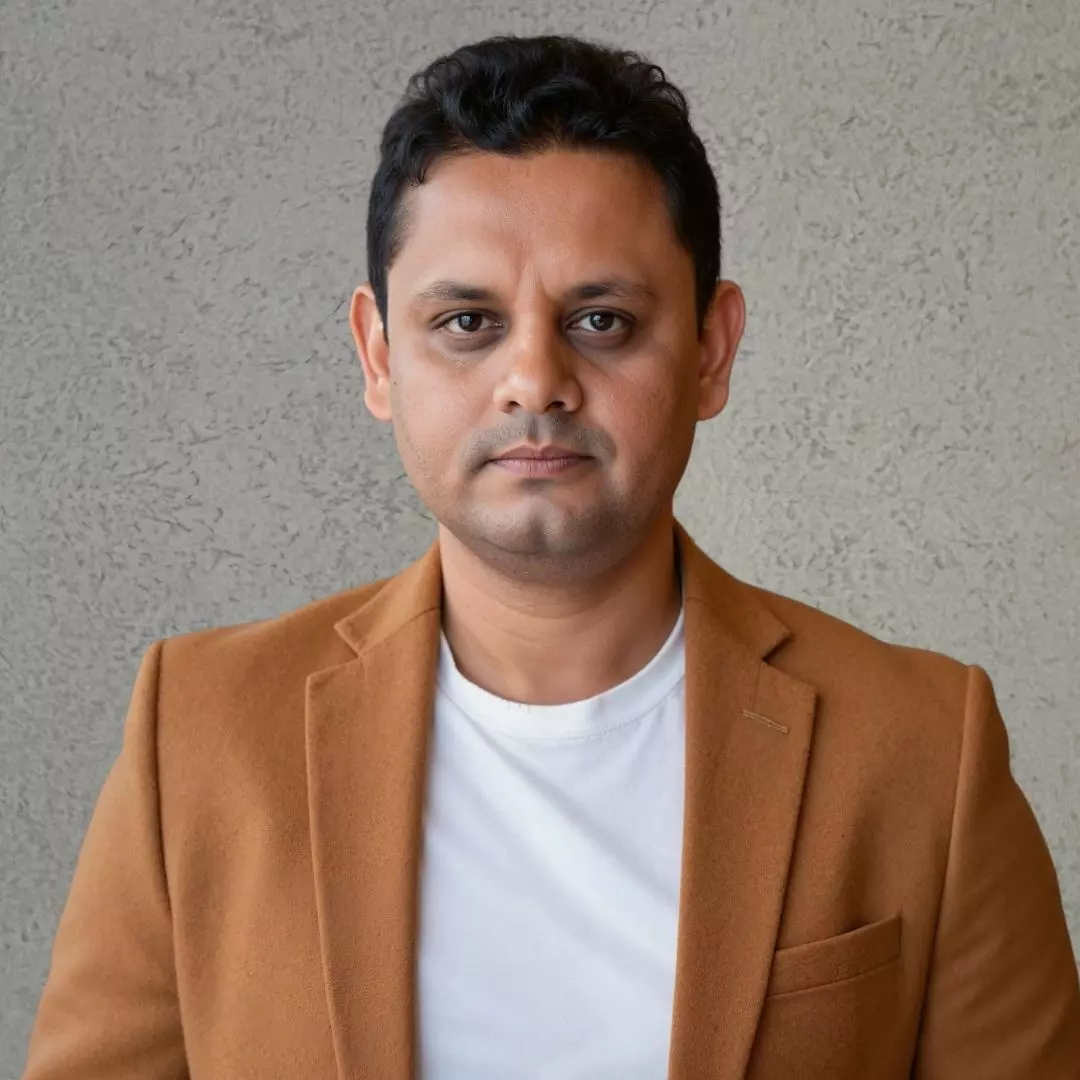
Ritu Kant Ojha is the CEO of Proact Luxury Real Estate in Dubai and a former business journalist with Bloomberg, Indian Express and CNBC. Today, he advises Indian buyers on securing premium real estate and high-yielding assets in the UAE. He is a regular speaker at international forums, the host of the 'Real Conversations' podcast, and the author of 'Real Conversations in the Digital Age.' Reach him at hi@ritukant.com.
Core.
Core.


