



 Newsletter
 Search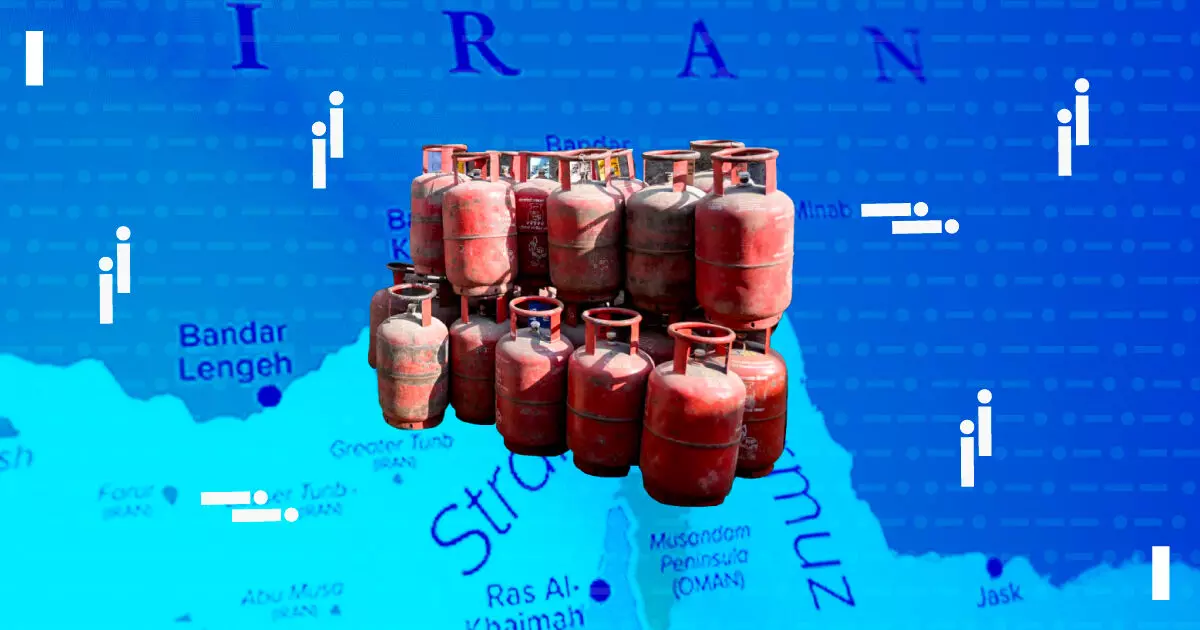
No Shortage, Government Says. But Long Queues At Gas Agencies Tell A Different Story.
- Business
- Published on 13 March 2026 6:00 AM IST

The West Asia conflict has disrupted LPG imports, fuelling panic buying in India and affecting availability for commercial users and low-income households. As the government introduces rationing, sales of induction cooktops are climbing. Oil Minister Hardeep Singh Puri said the rush to book cylinders is “driven by consumer anxiety rather than any actual supply shortage.”
The Gist
The ongoing West Asia conflict has triggered a significant LPG supply crisis in India, leading to long queues and panic among consumers.
- Customers are facing difficulties booking LPG cylinders due to technical glitches and high demand.
- The government insists there is no actual shortage, attributing the chaos to consumer anxiety.
- Shifts toward electric cooking alternatives are evident, with sales of induction cooktops surging dramatically.
"I have been trying to book my cylinder since yesterday,” said Subhash Kumar, a customer waiting in a long queue at a gas agency in North-West Delhi, trying to get an LPG cylinder.
Kumar had come physically to the shop because the app was showing a technical glitch. Kumar isn’t alone. On Thursday, news channels flashed similar images from across the country — people waiting in long queues for the gas cylinder.
While the geographical distance from the West Asia conflict spans thousands of miles, the impact has begun to hit the Indian households, sparking a wave of panic over the shortage of LPG gas cylinders.
The desperation is palpable: those without gas connections are rushing to apply, while existing users are attempting to stockpile.
The Core’s attempt to book an LPG cylinder mirrored this chaos, encountering unreachable booking lines and switched-off service numbers. At local gas distributors in Delhi, staff confirmed that servers are struggling under the surge, advising customers to attempt bookings late at night to bypass the congestion.
“It is a difficult situation,” Sujata Sharma, Joint Secretary for the Ministry of Petroleum and Natural Gas, said during a media briefing on Thursday.
With the government prioritising domestic supply, commercial use of LPG by restaurants and local eateries has been severely hit across the states. The disruption has also impacted low-income households that rely on mini cylinders from unregulated suppliers rather than formal gas connections.
Government Denies Shortage
As one of the world’s largest LPG consumers, India produces only a fraction of the LPG it needs domestically. Around 60% of its demand is met through imports, while about 40% is produced locally.
The current supply squeeze follows an effective halt in shipping traffic through the Strait of Hormuz and the Gulf amid the ongoing West Asia conflict. About 90% of India’s imported LPG passes through the Strait of Hormuz, making supplies vulnerable to disruptions in the region.
On Thursday, the 13th day of the ongoing West Asia conflict, Union Minister for Petroleum and Natural Gas Hardeep Singh Puri said that while a mandatory 25-day minimum booking gap has been introduced for urban consumers, the restriction extends to 45 days for households in rural and durgam kshetra (inaccessible) areas.
He added that the panic booking at the distributor and retail level is “driven by consumer anxiety rather than any actual supply shortage.”
The minister also said the standard time from booking to delivery for domestic LPG cylinders remains unchanged at 2.5 days, though customer complaints continue to rise, with many consumers taking to the social media platform X to highlight delays.
On March 9, the government issued an order under the Essential Commodities Act directing all refineries to maximise LPG production.
According to Sharma, “no dry-outs” have been reported on the distribution side, though bookings have “risen manifold” due to panic buying. There are nearly 25,000 LPG distributors across the country, with about 5 million cylinders being delivered daily.
She said that alternate fuel options are being activated to ease pressure on LPG and the government is considering the release of a portion of LPG cylinders for commercial requirements as well.
The Gig and Platform Service Workers Union (GIPSWU) warns that the lack of LPG supply for commercial use has decimated the livelihoods of delivery partners, with the union reporting a staggering 50–60% drop in food delivery orders on platforms like Zomato and Swiggy.
The gig workers union is seeking Rs 10,000 relief from food delivery platforms. “Our members are starving,” Nirmal Gorana, spokesperson for the union, said on social media platform X.
The Urban Shift
This supply-side anxiety is triggering a shift in consumer behaviour toward electric alternatives.
An Amazon India spokesperson confirmed to The Core that sales of induction cooktops have skyrocketed by 30X over the last few days. “Rice cookers and electric pressure cookers are seeing a 4X increase. Air fryers and multi-use vessels are also seeing a 2X increase in sales over a regular day.”
In major metros like Delhi-NCR, Mumbai, and Bengaluru, customers are increasingly leveraging quick-commerce services like Amazon Now to secure these appliances within minutes, signalling a frantic move to de-risk the Indian kitchen from the escalating LPG crisis.
Road Ahead
For long-term energy security, experts suggest India needs a structural shift towards electrification. Karthik Ganesan, a fellow at the Council on Energy, Environment and Water, said this would include tightening Corporate Average Fuel Efficiency norms (government standards that require automakers to meet a minimum average fuel efficiency across the vehicles they sell), mandating a higher share of electric vehicles in transport, incentivising industries to electrify heating and backup systems through subsidies, and encouraging households to adopt electric cooking.
“Much of the urban world has already moved toward electric cooking. If India can shift 45%–60% of cooking needs to electric options such as induction stoves and electric pressure cookers, it would significantly reduce reliance on LPG,” he told The Core.
Sumit Pokharna, VP Fundamental Research, Kotak Securities, suggests that a critical further step to reduce this supply gap will involve securing spot LPG imports from the US and other global suppliers to bypass the regional bottleneck.
Core.
Core.


