



 Newsletter
 Search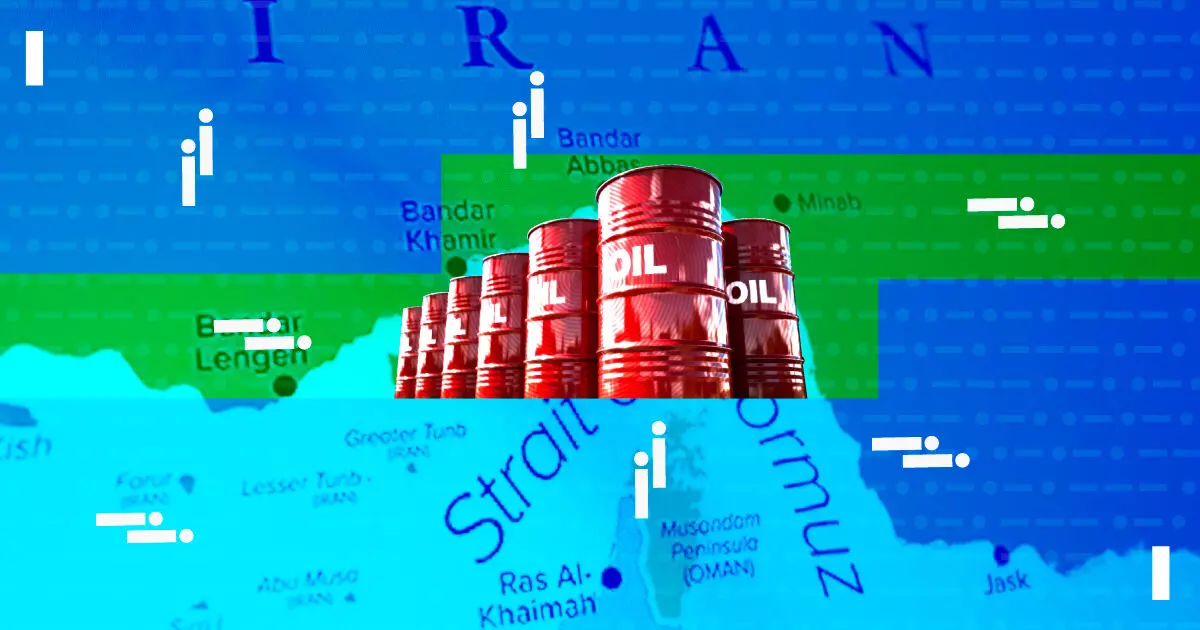
India’s Oil Security Cannot Depend on Temporary US Waivers

India’s heavy dependence on West Asia and Russian oil raises energy security concerns as limited US waiver offers little relief.
The Gist
India's reliance on West Asia and Russia for over 80% of its crude oil imports poses significant risks amid geopolitical tensions.
- In 2025, West Asia supplied 49% and Russia 31.5% of India's oil imports.
- Domestic stocks can only cover 30 days of consumption, risking fuel price hikes if supply is disrupted.
- The US waiver for Russian oil shipments provides limited relief, stressing India's need for stable energy sources.
More than 80 per cent of India’s crude oil and petroleum product imports come from two sources—West Asia and Russia—both currently under geopolitical strain. West Asia accounted for about 49 per cent of India’s oil imports in 2025, while Russia supplied around 31.5 per cent.
With domestic stocks covering barely 30 days of consumption, any disruption in supply through the Strait of Hormuz could quickly push up fuel prices, increase transport and logistics costs, and contribute to broader inflation in the economy.
US Waiver for Russian Oil Shipments
Against this backdrop, the US Treasury on March 5 issued General License No. 133, allowing the sale, delivery or offloading in India of Russian crude oil and petroleum products that were loaded on vessels on or before March 5. The authorisation is valid until April 14.
US Treasury Secretary Scott Bessent later clarified on X that the measure applies only to cargoes already stranded at sea. As a result, the waiver covers only a small and temporary volume of shipments that had already departed Russian ports before the deadline.
The quantity of such oil still afloat is likely limited, offering little real relief to India’s refiners or its overall energy security.
Limits of Short-Term Waivers and Sovereignty Concerns
India imports nearly 90 per cent of its oil requirements and cannot manage its energy security through short-term permissions issued by the US government.
India and Russia are sovereign states, and their bilateral energy trade does not fall under US jurisdiction. Efforts by the US to authorise or restrict such commerce effectively extend unilateral control over trade between independent countries, raising questions about the principles of sovereign equality and freedom of international commerce.
With supply risks rising and domestic stocks limited, India must consider regular imports of Russian oil rather than relying on waivers covering cargoes already at sea.
Core.
Core.


